


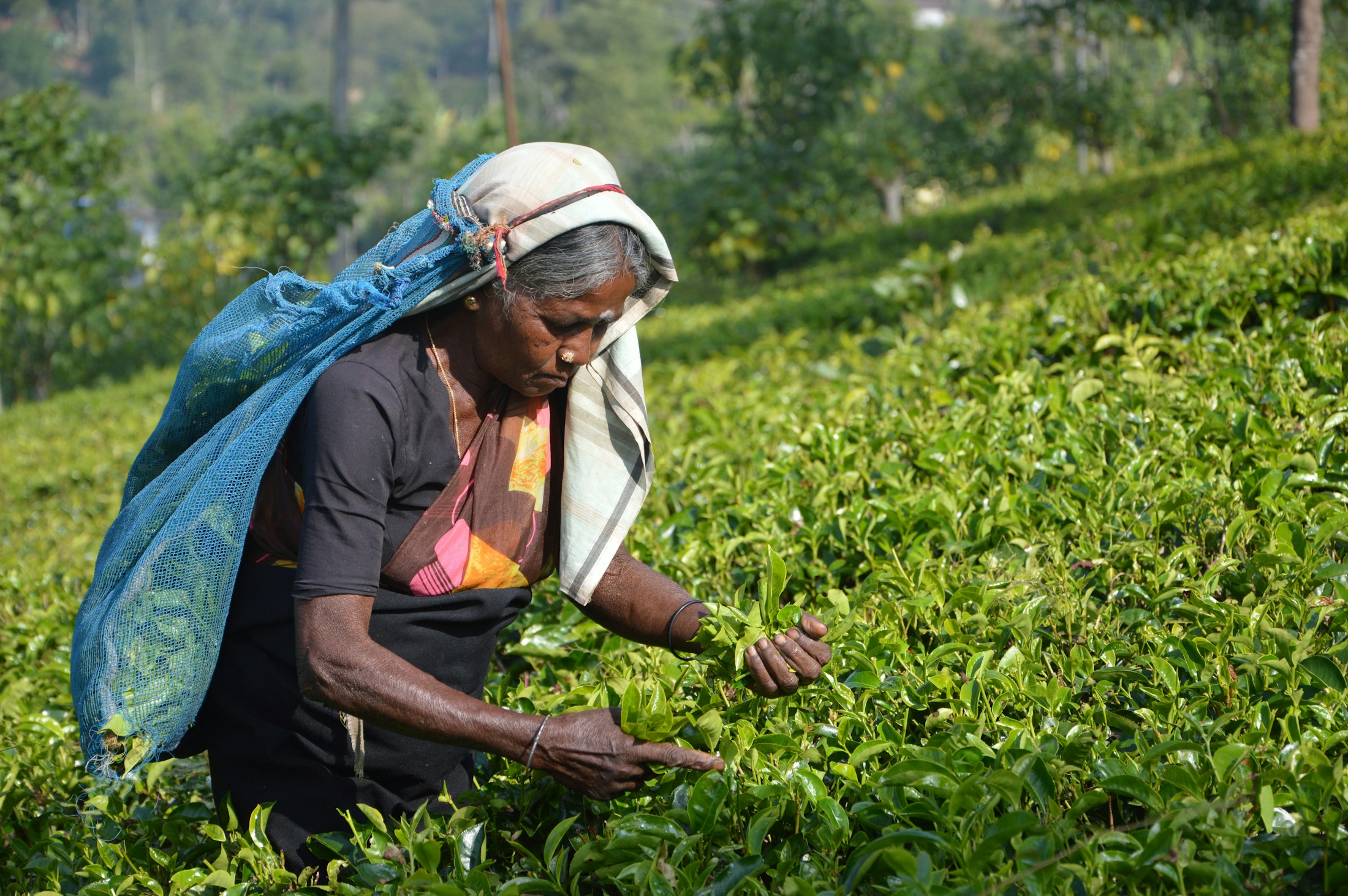
Sri Lanka has two monsoons, so there is no single best month. Here is when to go to the south coast, the hill country, the east and the wildlife parks.
The honest answer to "when should I visit Sri Lanka?" is: it depends where you're going. The island sits in the path of two monsoons, and they arrive at different times on different coasts. That means somewhere is almost always in good weather, and the trick is matching your route to the month.
The two monsoons in plain terms
- The south-west monsoon brings rain to the west and south coasts and the hill country, roughly from May to September.
- The north-east monsoon brings rain to the north and east, roughly from October to January.
Between them, in April and again around October and November, come short "inter-monsoon" periods with hot, still mornings and afternoon thunderstorms. These are seasons rather than hard dates, and weather varies from year to year.
By region
South and west coast (Galle, Mirissa, Tangalle, Bentota)
December to March is the classic window: calm seas, dry days and long beach lunches. From May to September the sea gets rough, many beach hotels quiet down, and swimming can be unsafe in places. If your trip is mostly beach, plan around the winter months.
Whale watching off Mirissa is generally best from around November to April, when the seas are calmer.
Hill country (Nuwara Eliya, Ella, Haputale)
The highlands can be wet at almost any time, but January to March is usually the driest and clearest stretch, and a second dry spell often comes in August and September. Mornings are the best time for views. By noon the cloud often rolls in, so we plan the big outlooks and the Kandy to Ella train for early in the day.
Nuwara Eliya fills up around the mid-April Sinhala and Tamil New Year, when Sri Lankan families holiday there. Lovely if you like festivals, worth booking early if you don't.
Cultural Triangle (Sigiriya, Dambulla, Polonnaruwa, Anuradhapura)
This is the dry zone. It is hot and dry for much of the year, with the hottest weather around March and April. The ruins are best explored at dawn either way, which is why we usually climb Sigiriya before the sun is high, whatever the month. The north-east monsoon brings more rain between roughly October and January.
East coast (Trincomalee, Arugam Bay)
The east has the opposite rhythm to the south-west: April to September is the good season, with calm water at Trincomalee and the main surf season at Arugam Bay. It is a natural pairing with a winter south-coast trip if you want to stay in good weather all year.
Wildlife (Yala, Udawalawe, Wilpattu)
The dry season, when animals gather at shrinking waterholes, is the best time for sightings. For Yala that is generally February to July. Parks sometimes close for a period in the driest part of the year, so check dates before locking in a safari day. Read more in our safari planning guide.
A simple way to choose
| If you want... | Aim for |
|---|---|
| Beaches and whale watching | December to April |
| Tea country and clear hill views | January to March |
| Surf or a quiet east-coast beach | May to September |
| Wildlife | February to July |
| Fewer crowds and lower prices | The shoulder months, with flexibility |
Don't over-plan around the weather
Even in a "wet" month, rain is usually a few hours in the afternoon rather than a washed-out day. If your dates are fixed, we build the route around them: beach where it's calm, highlands where it's dry. Tell us when you're travelling and we'll suggest the order that works.
Start planning your trip, or see how our 10-day tea and coast route is paced.